
The Computational Oceanography Lab at MLML
In 2023 when I was hired at the Moss Landing Marine Labs, I started up the Computational Oceanography Lab (CoOL). This new lab was formed to supplement the other marine science efforts in the 8 central labs at MLML and the other affiliated labs - you can read more about those on the MLML Site. On this page, I’ll introduce the CoOL group members and what we’re all about.
Who’s the CoOL Group?
Graduate Students

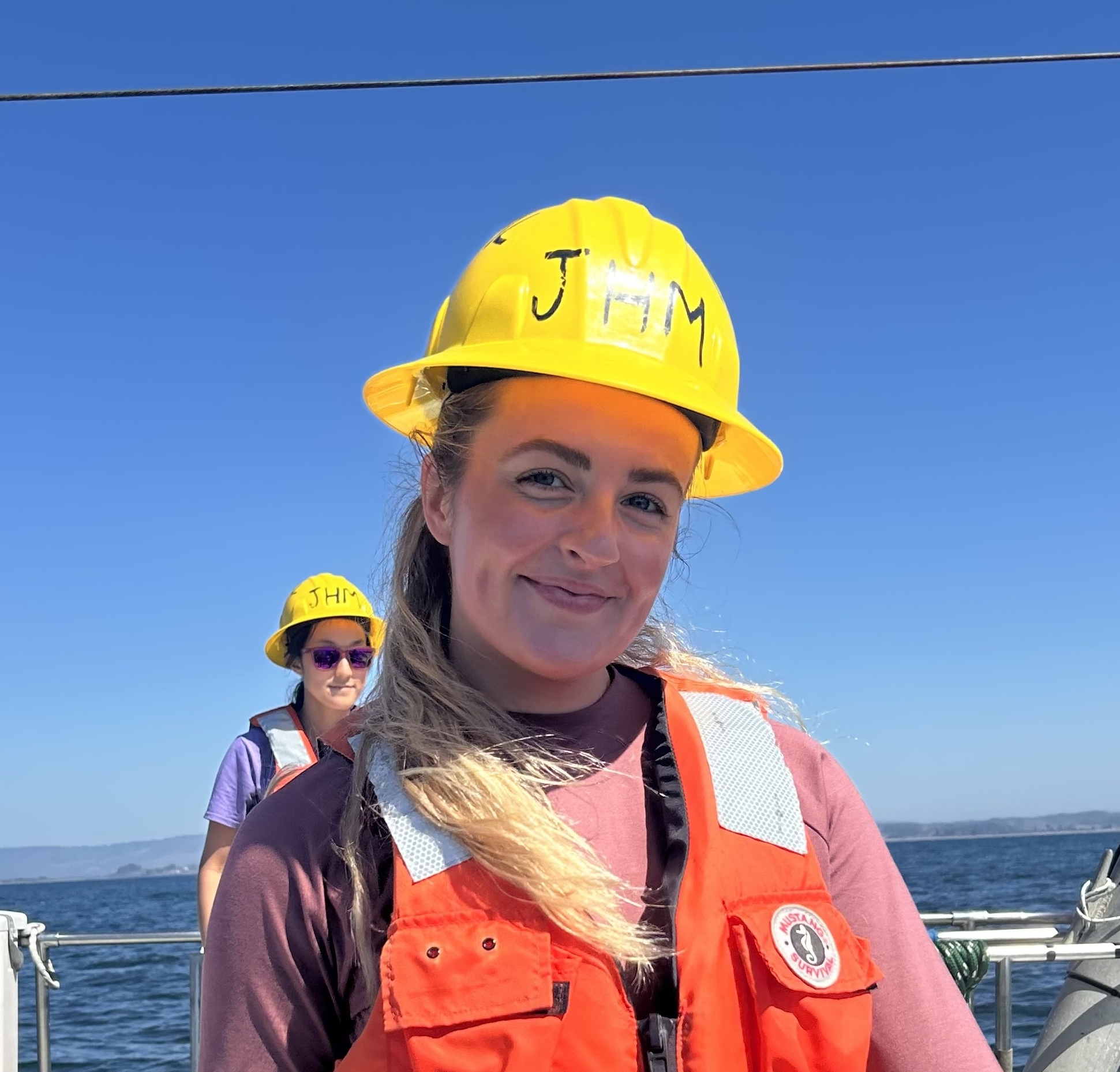
Undergraduate Students
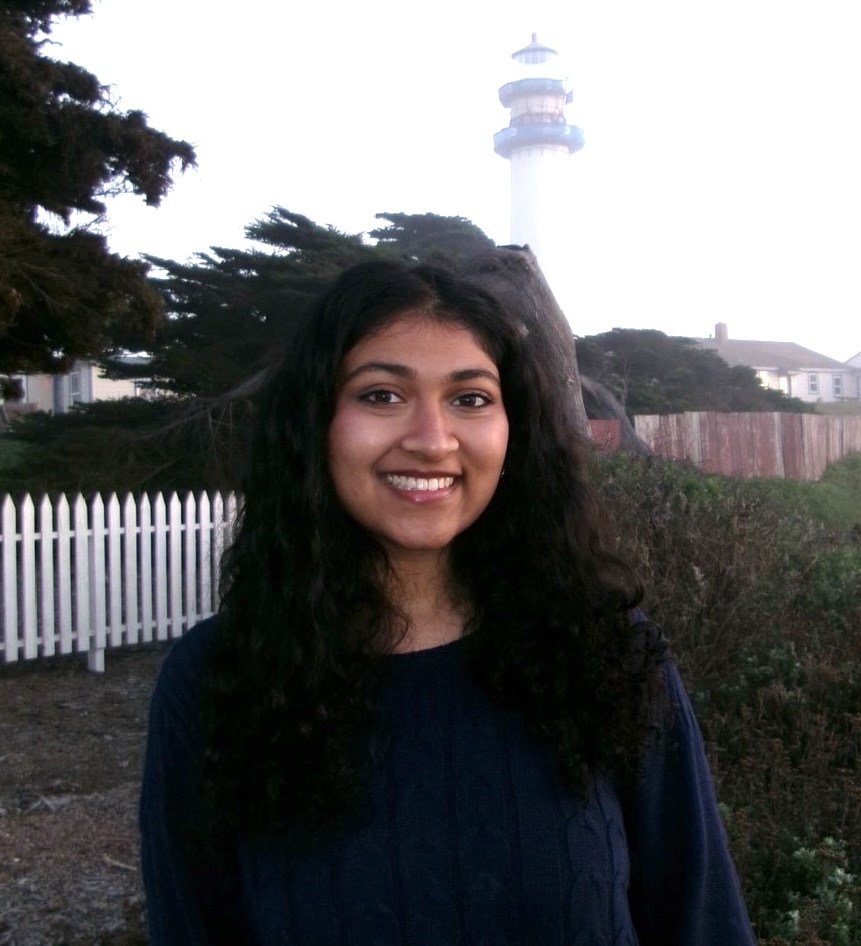
Staff

What’s Computational Oceanography?
In the years since I’ve started, I’ve spread the word about the Computational Oceanography Lab and gotten lots of question about what we do. My favorite question has been: Isn’t all oceanography “computational oceanography”? I agree a lot with this sentiment! However, the goal of the new group is to provide some new directions for MLML that can also help support existing research efforts.
The focus of the Computational Oceanography Lab is in three central areas:
Ocean Modeling
Numerical ocean models use physical equations of motion to simulate circulation and heat transport. The CoOL group primarily uses the MIT General Circulation Model (MITgcm) for our simulations as well as MITgcm-derived ocean state estimates provided by the Estimating the Circulation and Climate of the Ocean (ECCO) consortium.
Remote Sensing
Remote sensing observations refer to measurements of the ocean from satellite or aircraft. Remote sensing observations use electromagnetic radiation such light from the sun, radio waves emitted by satellites, or even green-light lasers to infer information about processes in the ocean. There are a wide range of variables which can be observed from space including temperature, salinity, chlorophyll concentration, wind speed and direction, sea surface height, shallow water bathymetry and much more. Together, these observations enable us to learn about the entire ocean over years or even decades.
Machine Learning
Like all other fields these days, machine learning algorithms and the hardware that powers them are helping to open up new directions for oceanographic research. In the CoOL group, we’re working to explore new ways to apply these techniques to our research for a variety of applications including “seeing through” clouds that obscure satellite retrievals and emulating numerical models for faster ocean simulations.
You can read more about these efforts in both the Research Areas and Teaching sections of this site.